| |
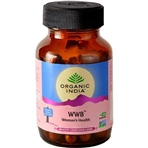 | Organic India WWB (Womens Well Being) Capsules (250caps)
Code:330 | 715.00 INR
713.00 INR
| Relieves from Irregular, Painful and Delayed Menses and Hot Flushes | | |
|  | HiOra-GA gel
Code:DC01 | 33.00 INR
| Gum astringent gel... | | |
|  | HiOra-SG gel
Code:DC02 | 32.00 INR
| The healing stoma gel... | | |
|
| |
 | HiOra-K toothpaste
Code:DC03 | 40.00 INR
| For comprehensive management of sensitive teeth and gums... | | |
|  | HiOra-Shine toothpaste
Code:DC04 | 50.00 INR
| Herbal whitening toothpaste... | | |
|  | Pure Hearbs
Code:Hearb1 | 500.00 INR
450.00 INR
| Pure Hearbs | | |
|
| |
 | Shilapravang Special
Code:MH101 | 650.00 INR
520.00 INR
| Dhootapapeshwar Shilapravang Special 30 Tablets | Enriched with Gold, Pearls & Makaradhwaj | | |
|  | Ashvagandha
Code:PH003 | 135.00 INR
| Calms nerves, revives mind and body... | | |
|  | Aimil Neeri KFT Syrup (200ml)
Code:PH102 | 494.00 INR
490.00 INR
| Kidney Function improvement, Reduces Blood Urea and Serum Creatinine | | |
|
| |
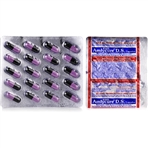 | Aimil Amlycure D.S. Capsule (20caps)
Code:PH104 | 143.00 INR
142.00 INR
| Liver Problems, Viral Hepatitis, Jaundice, Gastritis, Digestive System, Piles | | |
|  | Aimil Neeri Syrup (100ml)
Code:PH107 | 95.00 INR
93.00 INR
| Urinary Calculi, Urinary Infection, Urine flow in old age due to Retention | | |
|  | Aimil Purodil Syrup (200ml)
Code:PH108 | 214.00 INR
212.00 INR
| Acne and Pimples, Blood Purifier, Boils, Urticaria, Repair Damaged Skin | | |
|
| |
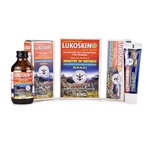 | Aimil Lukoskin Combo Pack (Liquid/Ointment) (100ml)
Code:PH109 | 759.00 INR
754.00 INR
| White Discoloration/Patches on Skin, Vitiligo | | |
| 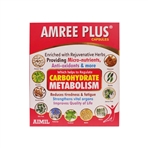 | Aimil Amree Plus Capsule (20caps)
Code:PH110 | 116.00 INR
114.00 INR
| Maintains blood sugar, Helps Glucose Absorption | | |
| 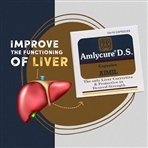 | Aimil Amlycure D.S. Capsule (10caps)
Code:PH114 | 135.00 INR
133.00 INR
| Liver Problems, Viral Hepatitis, Jaundice, Gastritis, Digestive System, Piles | | |
|
| |
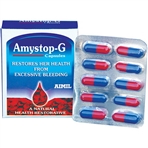 | Aimil Amystop-G Capsule (10caps)
Code:PH115 | 58.00 INR
57.00 INR
| Control Uterine Bleeding, Regularises Hormones, Cervicitis, Endometriosis | | |
| 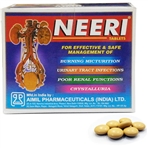 | Aimil Neeri Tablets (1000tab)
Code:PH116 | 2538.00 INR
2535.00 INR
| Urinary Calculi, Urinary Infection, Urine flow in old age due to Retention. | | |
|  | Aimil Amycordial Tablets (30caps)
Code:PH117 | 145.00 INR
144.00 INR
| Regulates Irregular and Delayed Menstruation, Reduces Pain during menses, Vaginal Discharge | | |
|
| |
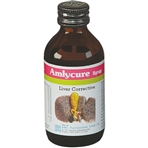 | Aimil Amlycure Syrup (100ml)
Code:PH118 | 64.00 INR
63.00 INR
| Protect and Restore Liver Function, Improve Digestion, Heart Burn, Acidity | | |
| 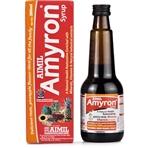 | Aimil Amyron Syrup (200ml)
Code:ph119 | 157.00 INR
155.00 INR
| Weakness, Fatigue, Low Haemoglobin, Provide Vitamin and Minerals | | |
| 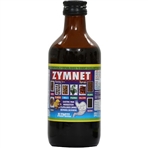 | Aimil Zymet Syrup (200ml)
Code:PH120 | 129.00 INR
125.00 INR
| Gastritis, Indigestion, Flatulence, Appetizer, Constipation, Colics | | |
|
| |
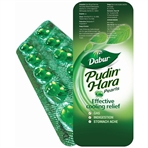 | Dabur Pudin Hara Tablets (10tab)
Code:PH123 | 19.00 INR
| Cooling Relief from Gas, Indigestion and Stomach Ache | | |
| 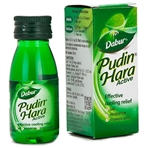 | Dabur Pudin Hara Drops (30ml)
Code:PH124 | 47.00 INR
46.00 INR
| Cooling Relief from Gas, Indigestion and Stomach Ache | | |
| 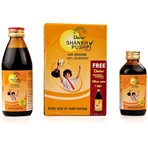 | Dabur Shankhpushpi (225ml)
Code:PH125 | 82.00 INR
81.00 INR
| Improve Memory, Learning and Concentration, Reduces Mental Fatigue | | |
|
| |
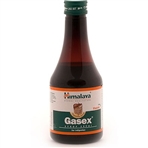 | Himalaya Gasex Syrup (Elaichi) (200ml)
Code:PH132 | 72.00 INR
70.00 INR
| For Dyspepsia, Indigestion, Flatulence, Abdominal Distension and Belching | | |
| 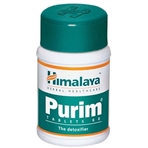 | Himalaya Purim Tablet (60tab)
Code:PH133 | 90.00 INR
88.00 INR
| Addresses the issues related to Dermatitis, Eczema, Urticaria, Skin Infections, Allergies and Acne | | |
| 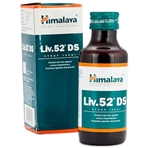 | Himalaya Liv 52 DS (Double Strength) Syrup (100ml)
Code:PH134 | 115.00 INR
113.00 INR
| For Liver Disorders, Hepatitis, Early Cirrhosis, Loss of Appetite, Jaundice | | |
|
| |
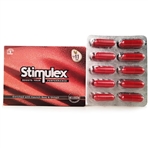 | Dabur Stimulex Capsules (10caps)
Code:PH135 | 135.00 INR
133.00 INR
| Herbal Performance Booster | | |
| 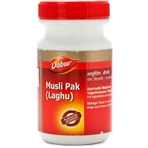 | Dabur Musli Pak (125g)
Code:PH136 | 189.00 INR
188.00 INR
| Restores energy, improve vitality, physical strength & stamina in men | | |
|  | Dabur Lipistat (10caps)
Code:PH137 | 67.00 INR
69.00 INR
| Complete Heart Care Tonic | | |
|
| |
 | Dabur Ablari Syrup (200ml)
Code:PH138 | 130.00 INR
128.00 INR
| Menorrhagia, Haemorrhages, Painful menses, scanty menses. | | |
|  | Dabur Triphla Tablets (60tab)
Code:PH139 | 59.00 INR
58.00 INR
| Laxative, Useful in Constipation, Weight Loss, Blood Purifier, Eye Tonic | | |
|  | Himalaya Evecare Syrup (400ml)
Code:PH140 | 140.00 INR
138.00 INR
| Painful, Irregular and Delayed Menses, Uterine Bleeding, Dysmenorrhea | | |
|
| |
 | Dabur Triphla Tablets (60tab)
Code:PH141 | 59.00 INR
58.00 INR
| Laxative, Useful in Constipation, Weight Loss, Blood Purifier, Eye Tonic | | |
| 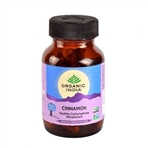 | Organic India Cinnamon Capsule (60caps)
Code:PH142 | 175.00 INR
174.00 INR
| Promotes healthy digestion, boost digestive health | | |
| 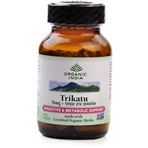 | Organic India Trikatu Capsule (60caps)
Code:PH143 | 175.00 INR
173.00 INR
| Made from Long Pepper, Black Pepper & Ginger to Support Digestion and Gastritis | | |
|
| |
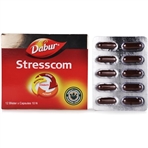 | Dabur Stresscom Capsules (120caps)
Code:PH144 | 720.00 INR
718.00 INR
| Helps to provide relief from everyday stress and Improve physical stamina | | |
| 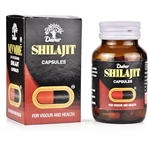 | Dabur Shilajeet Regular (100caps)
Code:PH145 | 493.00 INR
492.00 INR
| Restores energy, improve vitality, physical strength & stamina in men | | |
| 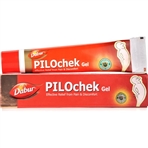 | Dabur Pilocheck Gel (30g)
Code:PH146 | 59.00 INR
58.00 INR
| Anti-Piles Gel Provides Fast Relax from Ache and Discomfort of Piles and Fissures | | |
|
| |
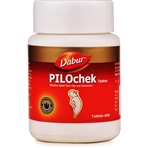 | Dabur Pilocheck Tablets (60tab)
Code:Ph147 | 118.00 INR
117.00 INR
| For Painful and Bleeding Piles, Haemorrhoids and Fissures | | |
| 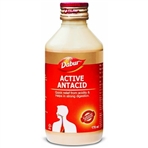 | Dabur Active Antacid (170ml
Code:PH148 | 118.00 INR
117.00 INR
| Acidity, Gas, Indigestion and Bloated Stomach | | |
| 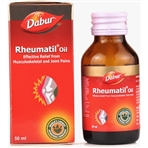 | Dabur Rheumatil Oil (50ml)
Code:PH149 | 110.00 INR
109.00 INR
| Joint Pain and Stiffness, Back Ache, Sprains and Injuries | | |
|
| |
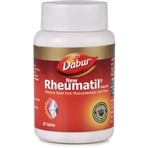 | Dabur Rheumatil Tablets (90tab)
Code:PH150 | 205.00 INR
204.00 INR
| Joint Pain and Stiffness, Back Ache, Sprains and Injuries, Arthritis | | |
| 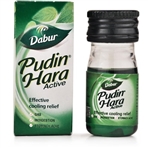 | Dabur Pudin Hara Drops (10ml)
Code:PH152 | 20.00 INR
19.00 INR
| Cooling Relief from Gas, Indigestion and Stomach Ache | | |
| 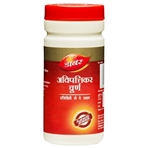 | Dabur Avipattikar Tablets (60tab)
Code:PH153 | 105.00 INR
104.00 INR
| Indigestion, Constipation, Vomiting, Acidity, Loss of Appetite | | |
|
| |
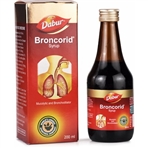 | Dabur Bronchorid Syrup (200ml)
Code:PH154 | 115.00 INR
114.00 INR
| Asthma, Breathlessness, Wheezing and Cough | | |
| 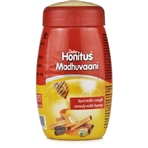 | Dabur Madhuvaani (150g)
Code:PH155 | 74.00 INR
73.00 INR
| An Age-Old Traditional Cough Formula with Sitopladi & Honey | | |
| 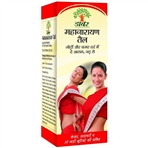 | Dabur Mahanarayan Tel (50ml)
Code:PH156 | 74.00 INR
73.00 INR
| Joints Pain, Muscular Stiffness, Backache, Knee Pain | | |
|
| |
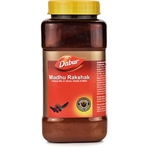 | Dabur Madhu Rakshak Churna (250g)
Code:PH157 | 350.00 INR
348.00 INR
| Blend of Karela, Jamun and Methi, for Blood Sugar. | | |
| 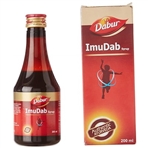 | Dabur Imudab Syrup (200ml)
Code:PH158 | 110.00 INR
109.00 INR
| Dabur Imudab Syrup (200ml) | | |
| 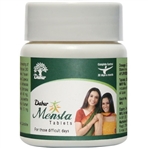 | Dabur Mensta Tablet (30tab)
Code:PH159 | 88.00 INR
87.00 INR
| Relieves Dysmenorrhea, Helps Repair Female Hormones, Regularizes Menstrual Cycles
| | |
|
| |
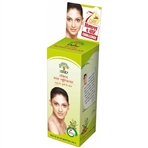 | Dabur Active Blood Purifier (100ml)
Code:PH160 | 50.00 INR
49.00 INR
| Easy and Permanent Solution from Pimples | | |
| 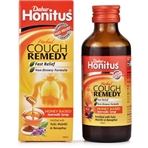 | Dabur Honitus Cough Syrup (100ml)
Code:PH161 | 74.00 INR
71.00 INR
| Cough, Sore Throat and Irritation | | |
| 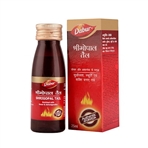 | Dabur Shrigopal Tail (25ml)
Code:PH162 | 128.00 INR
127.00 INR
| Tail | | |
|
| |
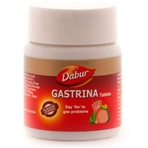 | Dabur Gastrina Tablet (60tab)
Code:PH163 | 49.00 INR
48.00 INR
| Abdominal Gas, Discomfort, Belching, Abdominal Pain, Flatulence and Colic | | |
|  | Dabur Gulabari Rose Water (120ml)
Code:PH164 | 41.00 INR
40.00 INR
| Cleanses, Moisturises Skin, Natural Skin Toner, Refreshes and Rejuvenates | | |
|  | Dabur Laxirid (60tab)
Code:PH166 | 162.00 INR
161.00 INR
| Laxirid | | |
|
| |
 | Dabur Nature Care Double Action (100g)
Code:PH167 | 90.00 INR
89.00 INR
| Gastritis | | |
|  | Dabur Mahanarayan Tel (100ml)
Code:PH168 | 150.00 INR
149.00 INR
| Joints Pain, Muscular Stiffness, Backache, Knee Pain | | |
| 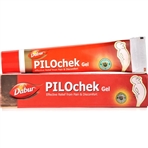 | Dabur Rheumatil Gel (30g)
Code:PH169 | 77.00 INR
76.00 INR
| Joint Pain and Stiffness, Back Ache, Sprains and Injuries | | |
|
| |
 | Himalaya Mentat Tablet (60tab)
Code:PH171 | 105.00 INR
103.00 INR
| Addresses the issue of Lower Concentration, Attention and Behavioral Problems | | |
|  | Himalaya Confido Tablets (60tab)
Code:PH172 | 120.00 INR
119.00 INR
| Restores energy, improve vitality, physical strength & stamina in men | | |
|  | Himalaya Himcolin Gel (30g)
Code:PH173 | 142.00 INR
140.00 INR
| Ayurvedic formula for Male Debility, has Soothing and Relaxing effects | | |
|
| |
 | Himalaya Opthacare Eye Drops (10ml)
Code:PH174 | 42.00 INR
40.00 INR
| Relieve Eye Pain, Redness, Itching, Irritation, Conjunctivitis and Watery Eye | | |
|  | Himalaya Speman Tablet (60tab)
Code:PH175 | 125.00 INR
124.00 INR
| Improves Sperm Count and Motility, Restores Strength and Vitality | | |
| 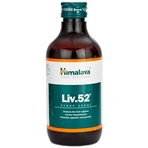 | Himalaya Liv 52 Syrup (200ml)
Code:PH176 | 115.00 INR
114.00 INR
| For Liver Disorders, Hepatitis, Early Cirrhosis, Loss of Appetite, Jaundice | | |
|
| |
 | Himalaya Tentex Forte Tablet (10tab)
Code:PH178 | 58.00 INR
57.00 INR
| A safe sexual stimulant, which is a herbal and based on an Ayurvedic formulation. | | |
| 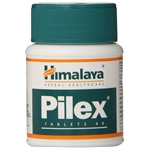 | Himalaya Pilex Tablet (60tab)
Code:PH180 | 120.00 INR
118.00 INR
| Piles, Haemorrhoids, Anal Fissures with or without Bleeding, Itching Rectum | | |
| 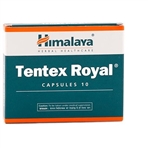 | Himalaya Tentex Royal Capsule (10caps)
Code:PH182 | 145.00 INR
144.00 INR
| Herbal Based Ayurvedic formulation to help relieve Male Debilities | | |
|
| |
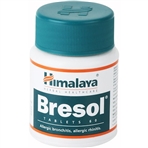 | Himalaya Bresol Tablets (60tab)
Code:PH183 | 130.00 INR
129.00 INR
| For Allergic Rhinitis, Bronchitis, Cough, Asthma and Pollen Allergy | | |
|  | Himalaya AyurSlim Capsule (3Box)
Code:PH184 | 590.00 INR
585.00 INR
| Himalaya AyurSlim Capsule | | |
| 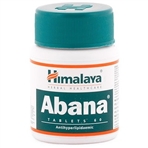 | Himalaya Abana Tablet (60tab)
Code:PH186 | 97.00 INR
96.00 INR
| Cardiovascular Acts well in Heart Diseases Management and Hypertension, Controls High Blood pressure | | |
|
| |
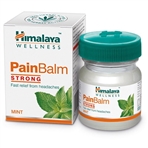 | Himalaya Pain Balm Strong (10g)
Code:PH188 | 33.00 INR
32.00 INR
| Quick Relief from Headaches, Body aches, Sprains, Joint Pains and Backache | | |
| 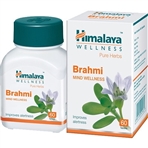 | Himalaya Ashwagandha Tablet (60tab)
Code:PH192 | 129.00 INR
128.00 INR
| Calms Nerves, Mind And Body, General Weakness, Nervine Tonic | | |
| 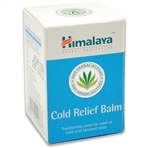 | Himalaya Cold Balm (10g)
Code:PH193 | 38.00 INR
37.00 INR
| Relieves Nasal Congestion, Headache, Sneezing, Sinusitis and Rhinitis | | |
|
| |
 | Himalaya Shigru Tablet (60tab)
Code:PH194 | 147.00 INR
145.00 INR
| Inflammation and Swelling of Joints, Gout, Anti-Arthritic Properties | | |
| 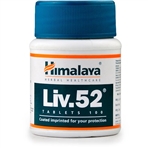 | Himalaya Liv 52 Tablet (100tab)
Code:PH195 | 95.00 INR
94.00 INR
| Ayurveda for Liver Ailments, Loss of Appetite, Jaundice, Indigestion | | |
| 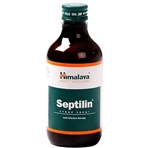 | Himalaya Septilin Syrup (200ml)
Code:PH196 | 110.00 INR
| Builds Immunity, Reduce Allergies and Recurrent Infections in Body | | |
|
| |
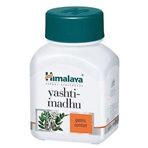 | Himalaya Yashtimadhu Tablet (60tab)
Code:PH197 | 143.00 INR
142.00 INR
| Heartburn, Acidity (GURD), Gastritis, Ulcers and Non-Ulcer Dyspepsis | | |
| 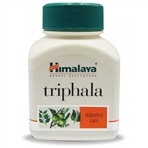 | Himalaya Triphla Tablet (60tab)
Code:Ph198 | 135.00 INR
134.00 INR
| For Indigestion, Chronic Constipation, Flatulence, Dyspepsia and Gastritis | | |
|  | Himalaya Diabecon DS(Double Strength) Tablet (60tab)
Code:PH199 | 150.00 INR
149.00 INR
| Helps Maintain Blood Sugar, Lowers Blood Sugar. | | |
|
| |
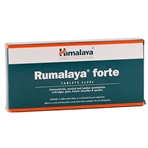 | Himalaya Rumalaya Forte Tablet (60tab)
Code:PH200 | 260.00 INR
258.00 INR
| For Arthritis, Cervical Spondolysis, Knee and Back Pain, Gout, Frozen Shoulder | | |
|  | Himalaya Evecare Capsule (30caps)
Code:PH201 | 120.00 INR
118.00 INR
| Painful, Irregular and Delayed Menses, Uterine Bleeding, Dysmenorrhea | | |
| 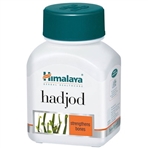 | Himalaya Hadjod Tablet (60tab)
Code:PH202 | 152.00 INR
150.00 INR
| Traumatic Fractures, Injuries, Sprains, Osteoporosis and Fragile Bones | | |
|
| |
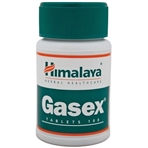 | Himalaya Gasex Tablet (100tab)
Code:PH203 | 95.00 INR
94.00 INR
| For Dyspepsia, Indigestion, Flatulence, Abdominal Distension and Belching
Price 95
| | |
| 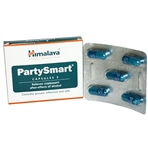 | Himalaya Party Smart Capsules (5caps)
Code:PH204 | 57.00 INR
56.00 INR
| Remove After Effects of Alcohol, Helps in Hangover, Headache and Nausea | | |
|  | Himalaya Tagara Tablet (60tab)
Code:PH205 | 152.00 INR
151.00 INR
| Calms Mind, Promotes Sleep, For Insomnia, Relieves Anxiety and Stress | | |
|
| |
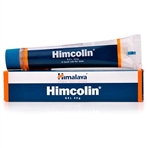 | Himalaya Pilex Ointment (30g)
Code:PH207 | 67.00 INR
65.00 INR
| Piles, Haemorrhoids, Anal Fissures with or without Bleeding, Itching Rectum | | |
| 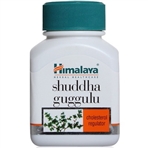 | Himalaya Shuddha Guggulu Tablet (60tab)
Code:PH208 | 151.00 INR
149.00 INR
| Jaundice, Cholesterol and Lipid Regulator, Burn Fat | | |
| 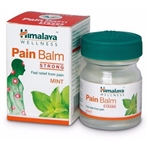 | Himalaya Pain Balm Strong (45g)
Code:PH209 | 112.00 INR
111.00 INR
| Quick Relief from Headaches, Body aches, Sprains, Joint Pains and Backache | | |
|
| |
 | Himalaya Mentat DS Syrup (Sugar Free) (100ml)
Code:PH210 | 125.00 INR
124.00 INR
| Enhances Memory & Concentration, Reduces Attention & Behavioural Disorders | | |
| 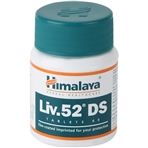 | Himalaya Liv 52 Ds (Double Strength) Tablet (60tab)
Code:PH212 | 129.00 INR
127.00 INR
| Known to promote liver health, Deals effectively with Loss of Appetite | | |
| 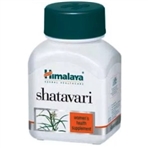 | Himalaya Shatavari Tablet (60tab)
Code:PH215 | 136.00 INR
134.00 INR
| Milk Secretion During Lactation enhancer, Boots Postpartum Health, leuchorea, vaginal discharge | | |
|
| |
 | Himalaya AyurSlim Capsule (60caps)
Code:PH217 | 214.00 INR
212.00 INR
| AyurSlim Capsule | | |
|  | Himalaya Cystone Tablet (60tab)
Code:PH218 | 109.00 INR
107.00 INR
| Expels Renal Calculi, Control High Uric Acid, Urinary Track Infection (UTI) | | |
|  | Himalaya Evecare Syrup (200ml)
Code:PH219 | 120.00 INR
118.00 INR
| Painful, Irregular and Delayed Menses, Uterine Bleeding, Dysmenorrhea | | |
|
| |
 | Himalaya Gokshura Tablet (60tab)
Code:PH222 | 147.00 INR
146.00 INR
| Ayurvedic Medicine to help Male Debilities, restores Energy and Stamina | | |
|  | Himalaya Antiseptic Cream (20g)
Code:PH223 | 36.00 INR
35.00 INR
| Useful in Cuts, Wounds, Burns and Rashes and Soothes the Skinprice | | |
|  | Himalaya Optha Care (10ml)
Code:PH224 | 52.00 INR
50.00 INR
| Eye care | | |
|
| |
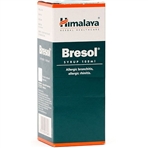 | Himalaya Bresol Syrup (100ml)
Code:PH225 | 63.00 INR
62.00 INR
| For Allergic Rhinitis, Bronchitis, Cough, Asthma and Pollen Allergy | | |
| 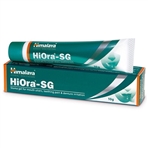 | Himalaya Hiora-SG (10g)
Code:PH226 | 41.00 INR
40.00 INR
| Heal Mouth sores, Relieve Teething Pain and Irritation due to Dentures | | |
| 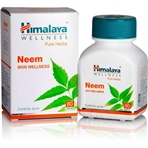 | Himalaya Neem Tablet (60tab)
Code:PH229 | 136.00 INR
134.00 INR
| Acne and Pimples, Skin Allergies and Infections | | |
|
| |
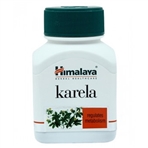 | Himalaya Karela Tablet (60tab)
Code:PH231 | 130.00 INR
128.00 INR
| Helps Maintain Blood Sugar, Reduces Cholesterol and Fatty Acids Levels | | |
| 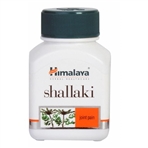 | Himalaya Shallaki Tablet (60tab)
Code:PH235 | 134.00 INR
132.00 INR
| Rheumatoid Arthritis, Osteoarthritis, Back Pain, Myalgia and Arthralgia | | |
| 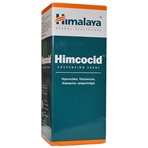 | Himalaya Himcocid Suspension (Sauf) (200ml)
Code:PH237 | 81.00 INR
80.00 INR
| Relief from Acidity and Epigastric Pains, Peptic Ulcers, Acid Reflux, Heartburn | | |
|
| |
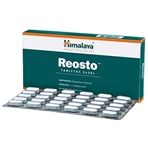 | Himalaya Reasto Tablet (60tab)
Code:PH240 | 260.00 INR
258.00 INR
| relives in Weak Bones, Fractures, Helps Increase Bone Density (BMD), joint pain | | |
| 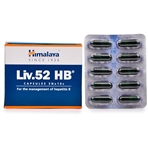 | Himalaya Liv 52 HB Capsules (30caps)
Code:PH246 | 291.00 INR
289.00 INR
| Jaundice, Suppress and Clears the Hepatitis B Virus (HBV), Normalizes Liver Enzyme Levels | | |
| 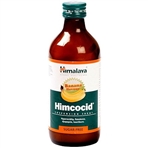 | Himalaya Himcocid Suspension (Banana) (200ml)
Code:PH247 | 77.00 INR
78.00 INR
| Relief from Acidity and Epigastric Pains, Peptic Ulcers, Acid Reflux, Heartburn | | |
|
| |
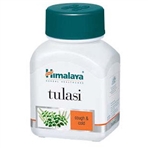 | Himalaya Tulsi Tablet (60tab)
Code:PH248 | 135.00 INR
133.00 INR
| Recurrent Respiratory Infections, Productive and Dry Cough, Asthma/Bronchitis | | |
| 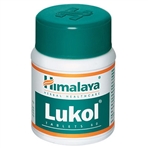 | Himalaya Lukol Tablet (60tab)
Code:PH252 | 135.00 INR
133.00 INR
| Reduces White Discharges (Vaginal) Thick & Thin with Pelvic Inflammation and Itching | | |
| 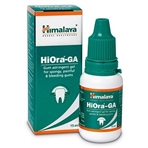 | Himalaya Hiora-GA (15ml)
Code:PH253 | 45.00 INR
44.00 INR
| Controls Gum Bleeding, Inflammation & Pain, Heals Wounds, Refreshes Breath | | |
|
| |
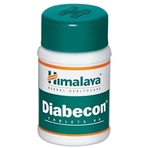 | Himalaya Diabecon Tablet (60tab)
Code:PH254 | 105.00 INR
103.00 INR
| Helps Maintain Blood Sugar, Lowers Blood Sugar. | | |
|  | Himalaya Triphla Syrup (200ml)
Code:PH255 | 86.00 INR
85.00 INR
| For Indigestion, Chronic Constipation, Flatulence, Dyspepsia and Gastritis | | |
| 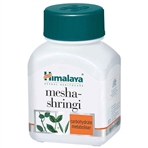 | Himalaya Meshashringi Tablet (60tab)
Code:PH257 | 140.00 INR
138.00 INR
| Maintains blood sugar, Reduce Craving For Sugar | | |
|
| |
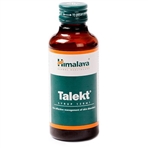 | Himalaya Talekt Syrup (120ml)
Code:PH258 | 63.00 INR
62.00 INR
| For Allergic Dermatitis, Psoriasis, Dry Skin Eczema, Acne, Control Relapses | | |
|  | Himalaya Trikatu Tablet (60tab)
Code:PH260 | 143.00 INR
142.00 INR
| For Indigestion, Flatulence, Abdominal Discomfort, Reduces Mucus in Stool | | |
|  | Himalaya Reasto Tablet (60tab)
Code:PH261 | 260.00 INR
258.00 INR
| relives in Weak Bones, Fractures, Helps Increase Bone Density (BMD), joint pain | | |
|
| |
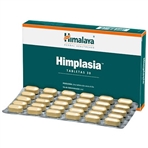 | Himalaya Himplasia Tablet (30tab)
Code:PH262 | 140.00 INR
141.00 INR
| Improves Urine Flow in old age, Urinary Track Infections (UTI), dribbling | | |
| 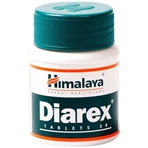 | Himalaya Diarex Tablet (30tab)
Code:PH263 | 59.00 INR
58.00 INR
| For Chronic Diarrhoea, Amebiasis, Colitis, Irritable Bowel Syndrome | | |
| 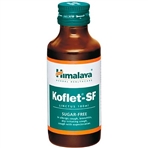 | Himalaya Koflet SF Syrup (Sugar Free) (100ml)
Code:PH264 | 68.00 INR
65.00 INR
| For Relief in Cough, Bronchitis, Asthma and Other Respiratory Infections | | |
|
| |
 | Himalaya Muscle and Joint Rub (20g)
Code:PH265 | 41.00 INR
40.00 INR
| Back Ache, Muscular Pain, Arthritis, Joint Pains and Swelling | | |
| 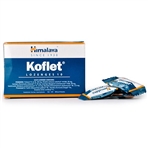 | Himalaya Koflet Lozenges (10pcs)
Code:PH266 | 18.00 INR
17.00 INR
| Dry cough with Irritation and Pain, Tonsillitis/Pharyngitis, Smoker's Cough | | |
|  | Himalaya Herbolex Tablet (100tab)
Code:PH267 | 110.00 INR
109.00 INR
| For Chronic Constipation, Gastritis, Indigestion, Safe and Effective Laxative | | |
|
| |
 | Himalaya Bael Tablet (60tab)
Code:PH270 | 268.00 INR
267.00 INR
| Chronic Diarrhoea and Dysentry, Irritable Bowel Syndrome, gases, acidty | | |
| 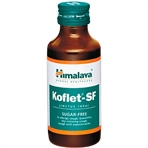 | Himalaya Koflet Syrup (100ml)
Code:PH271 | 63.00 INR
62.00 INR
| Dry cough with Irritation and Pain, Tonsillitis/Pharyngitis, Smoker's Cough | | |
| 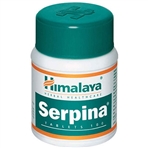 | Himalaya Serpina Tablet (100tab)
Code:PH272 | 90.00 INR
89.00 INR
| Mild to Moderate Hypertension, Reduces High Blood Pressure | | |
|
| |
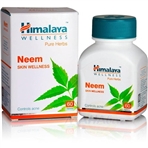 | Himalaya Neem Skin Wellness (60tab)
Code:PH273 | 132.00 INR
131.00 INR
| Skin care | | |
| 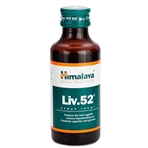 | Himalaya Liv 52 Syrup (100ml)
Code:PH274 | 63.00 INR
62.00 INR
| For Liver Disorders, Hepatitis, Early Cirrhosis, Loss of Appetite, Jaundice | | |
| 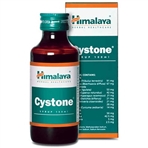 | Himalaya Cystone Syrup (100ml)
Code:PH275 | 86.00 INR
85.00 INR
| Expels Renal Calculi, Maintain High Uric Acid, Urinary Track Infection (UTI) | | |
|
| |
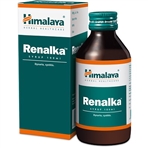 | Himalaya Renalka Syrup (100ml)
Code:PH276 | 59.00 INR
58.00 INR
| Relieves in Burning Urination, For Chronic Urinary Track Infection (UTI) | | |
| 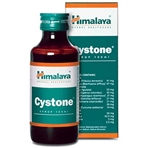 | Himalaya Cystone Syrup (200ml)
Code:PH277 | 145.00 INR
144.00 INR
| Expels Renal Calculi, Maintain High Uric Acid, Urinary Track Infection (UTI)
Price 145
| | |
|  | Zandu Abhayadi Modak (30tab)
Code:PH280 | 31.00 INR
30.00 INR
| Useful in Constipation and Indigestion, Gas, Flatulence and Acidity | | |
|
| |
 | Charak Addyzoa Capsules (20caps)
Code:PH281 | 162.00 INR
160.00 INR
| Male Impotency & Erection and Protect Sperms from Free Radicals | | |
|  | Charak Hyponidd Tablets (30tab)
Code:PH283 | 108.00 INR
106.00 INR
| Polycystic Ovarian Syndrome (PCOS) and Maintains Blood Sugar. | | |
| 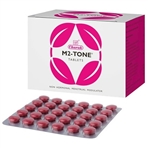 | Charak M2 Tone Tablets (30tab)
Code:PH284 | 146.00 INR
144.00 INR
| Menstrual Cycle and Related Symptoms | | |
|
| |
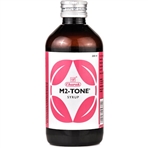 | Charak M2 Tone Syrup (200ml)
Code:PH286 | 101.00 INR
100.00 INR
| Helps in Regulating the menstrual cycle and Controlling related symptoms | | |
| 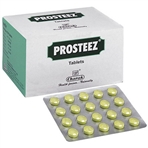 | Charak Prosteez Tablet (20tab)
Code:PH287 | 126.00 INR
125.00 INR
| Urine Flow Management, Painful and Interrupted Urination | | |
|  | Charak Neo Tablets (75tab)
Code:PH289 | 112.00 INR
110.00 INR
| Male Impotency, Premature Ejaculation, Erectile Dysfunction and stamina in men | | |
|
| |
 | Charak Ostoleif Tablet (30tab)
Code:PH290 | 110.00 INR
108.00 INR
| Joint Pain and Symptoms, also Delays the Progression of Osteoarthritis | | |
| 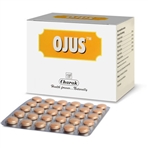 | Charak Ojus Tablet (30tab)
Code:PH291 | 72.00 INR
71.00 INR
| Dyspepsia, Bloating, Constipation, Heartburn, Nausea, and Vomiting | | |
|  | Charak Arthrella Tablet (30tab)
Code:PH301 | 110.00 INR
108.00 INR
| Rheumatoid Arthritis, Pain, Swelling and Stiffness in Joints | | |
|
| |
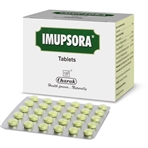 | Charak Imupsora Tablet (30tab)
Code:PH302 | 95.00 INR
93.00 INR
| Natural Management of Psoriasis, Dry and Cracked Skin with Itching | | |
| 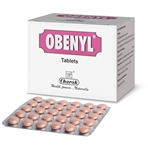 | Charak Obenyl Tablets (30tab)
Code:PH303 | 77.00 INR
75.00 INR
| Natural Weight Reducing Formulation, Helps Lowering Lipids and Reducing Weight | | |
| 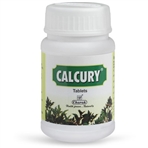 | Charak Calcury Tablets (40tab)
Code:PH304 | 81.00 INR
80.00 INR
| Reduces the Size of Calculi, Controls Recurrence, Diuretic Properties | | |
|
| |
 | Charak Cephagraine Nasal Drops (15ml)
Code:PH305 | 42.00 INR
41.00 INR
| Allergic Rhinitis, Nasal Blockage, Sinusitis, Cold and Running Nose | | |
| 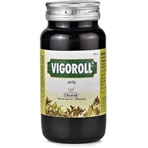 | Charak Vigoroll Jelly (450g)
Code:PH306 | 210.00 INR
208.00 INR
| Immunity Booster, Protects Against Infections, Provides Energy for Elderly | | |
| 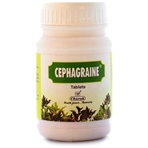 | Charak Cephagraine Tablet (40tab)
Code:PH307 | 103.00 INR
102.00 INR
| Allergic Rhinitis, Nasal Blockage, Sinusitis, Cold and Running Nose | | |
|
| |
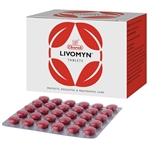 | Charak Livomyn Tablet (30tab)
Code:PH308 | 90.00 INR
89.00 INR
| Indigestion, Lack of Appetite, Fatty Liver, Jaundice | | |
|  | Charak Evanova Capsule (20caps)
Code:PH309 | 132.00 INR
131.00 INR
| Menopause and Related Symptoms | | |
|  | Organic India LKC (Liver-Kidney Care) Capsules (60caps)
Code:PH311 | 210.00 INR
209.00 INR
| Fatty Liver, Jaundice, Renal Failure, Urinary Tract Infection, Renal Calculi | | |
|
| |
 | PH313
Code:PH312 | 225.00 INR
224.00 INR
| Improve Glow and Lustre of Skin, Acts well in Acne, Skin Discoloration, Dermatitis | | |
|  | Organic India Sugar Balance Capsules (60caps)
Code:PH314 | 210.00 INR
208.00 INR
| Normalizes Blood Sugar Levels, Retards Absorption of Dietary Sugar | | |
| 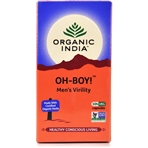 | Organic India Oh Boy Capsules (30caps)
Code:PH315 | 499.00 INR
497.00 INR
| Increases male sexual performance, strength, vigor, vitality and boosts libido | | |
|
| |
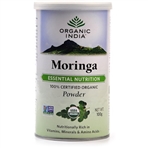 | Organic India Moringa Powder (100g)
Code:PH316 | 175.00 INR
173.00 INR
| Rich in amino acids and many natural vitamins and minerals, supports health | | |
| 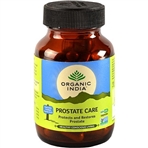 | Organic India Prostate Care Capsules (60caps)
Code:PH317 | 225.00 INR
223.00 INR
| Improves urine flow in old age, Supports Urine Flow and Healthy PSA Levels | | |
| 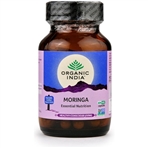 | Organic India Moringa Capsules (60caps)
Code:PH318 | 175.00 INR
173.00 INR
| Rich in Nutrients, Vitamin A & C, Iron, Protein, Fibre, Calcium and Magnesium | | |
|
| |
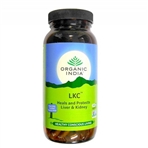 | Organic India LKC (Liver-Kidney Care) Capsules (250caps)
Code:PH319 | 175.00 INR
173.00 INR
| Fatty Liver, Jaundice, Renal Failure, Urinary Tract Infection, Renal Calculi | | |
| 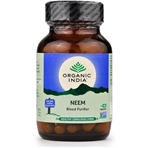 | Organic India Neem Capsule (60caps)
Code:PH320 | 175.00 INR
173.00 INR
| Natural Antibiotic & Blood Purifier, Fights Bacterial, Viral & Fungal Infections | | |
| 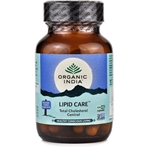 | Organic India Lipid Care Capsules (60caps)
Code:PH321 | 210.00 INR
208.00 INR
| Lowers Cholesterol, Controls Blood Pressure, Mild Blood Thinner and Diuretic | | |
|
| |
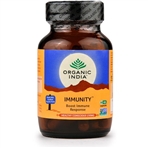 | Organic India Immunity Capsules (60caps)
Code:PH323 | 210.00 INR
207.00 INR
| Strengthens and Balances the Immune System, Increase Stamina, Anti-Stress | | |
| 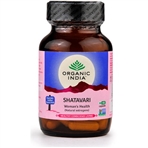 | Organic India Shatavari Capsules (250caps)
Code:PH327 | 695.00 INR
690.00 INR
| Female Hormonal Balances, Irregular and Painful Menses, Insufficient Lactation | | |
| 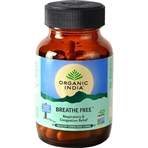 | Organic India Breathe Free Capsules (60caps)
Code:PH328 | 210.00 INR
208.00 INR
| Respiratory Allergies like Asthma, Bronchitis, Cough, Anti-Histaminic | | |
|
| |
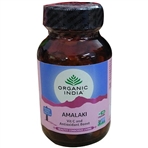 | Organic India Amalaki Capsules (60caps)
Code:PH329 | 175.00 INR
173.00 INR
| Low Immunity, Recurrent Cold, Reduces Mild to High Temperature, Allergies, Oral Ulcers and Acidity | | |
|  | Organic India Vitality Capsules (60caps)
Code:PH331 | 210.00 INR
208.00 INR
| Boost Energy and Stamina, Promotes Vitality and Alertness, Premature Ageing
| | |
| 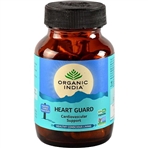 | Organic India Heart Guard (60caps)
Code:PH333 | 225.00 INR
224.00 INR
| Improve the Cardiac Function and Blood Circulation, Strengthen the Heart Muscle | | |
|
| |
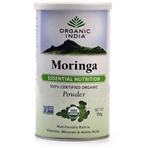 | Organic India Whole Husk Psyllium (100g)
Code:PH334 | 195.00 INR
193.00 INR
| Helps in Constipation, Stomach complaints, Reduces Cholesterol and Body Fats | | |
| 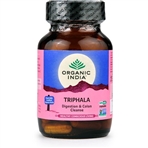 | Organic India Triphala Capsules (60caps)
Code:PH335 | 175.00 INR
174.00 INR
| Constipation, Hyper Acidity, Indigestion, Skin and Eye Diseases, Laxative | | |
| 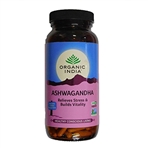 | Organic India Sugar Balance Capsules (250caps)
Code:PH336 | 715.00 INR
710.00 INR
| Normalizes Blood Sugar Levels, Retards Absorption of Dietary Sugar | | |
|
| |
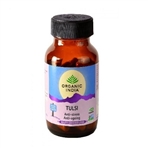 | Organic India Sugar Balance Capsules (250caps)
Code:PH338 | 715.00 INR
712.00 INR
| Boost Immunity, Relieves Stress, Enhances Stamina, | | |
| 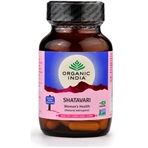 | Organic India Shatavari Capsules (60caps)
Code:PH341 | 175.00 INR
174.00 INR
| Female Hormonal Balances, Irregular and Painful Menses, Insufficient Lactation | | |
| 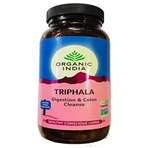 | Organic India Triphala Capsules (250caps)
Code:PH345 | 688.00 INR
687.00 INR
| Constipation, Hyper Acidity, Indigestion, Skin and Eye Diseases, Laxative | | |
|
| |
 | Organic India Brahmi Capsules (250caps)
Code:PH346 | 688.00 INR
| Mental Stress, Reduces Depression, Lack of Concentration, Weak Memory, Weakness Of Limbs | | |
| 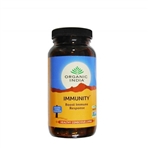 | Organic India Immunity Capsules (250caps)
Code:PH347 | 715.00 INR
712.00 INR
| Strengthens and Balances the Immune System, Increase Stamina, Anti-Stress | | |
| 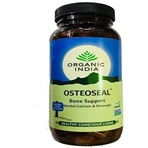 | Organic India Osteoseal Capsules (250caps)
Code:PH348 | 715.00 INR
712.00 INR
| For Osteoporosis, Healthy Growth, Fractured Bones, Arthritis, Muscular Diseases | | |
|
| |
 | Organic India Flexibility Capsules (250caps)
Code:PH349 | 715.00 INR
713.00 INR
| Relaxes Muscle Spasms, Joint Pains and Swelling, Rheumatoid Arthritis | | |
| 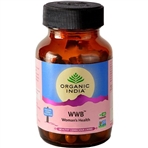 | Organic India WWB (Womens Well Being) Capsules (60caps)
Code:PH350 | 210.00 INR
208.00 INR
| Relieves from Irregular, Painful and Delayed Menses and Hot Flushes | | |
| 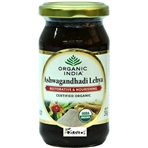 | Organic India Ashwagandhadhi Lehya (250g)
Code:PH351 | 285.00 INR
280.00 INR
| Ashwagandhadhi Lehya | | |
|
| |
 | Organic India Brahmi Capsules (60caps)
Code:PH352 | 175.00 INR
173.00 INR
| Mental Stress, Reduces Depression, Lack of Concentration, Weak Memory, Weakness Of Limbs | | |
| 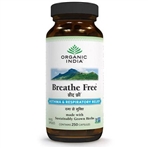 | Organic India Breathe Free Capsules (250caps)
Code:PH354 | 715.00 INR
714.00 INR
| Respiratory Allergies like Asthma, Bronchitis, Cough, Anti-Histaminic | | |
| 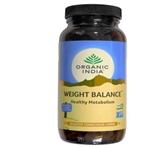 | Organic India Wt Balance Capsules (250caps)
Code:PH357 | 715.00 INR
714.00 INR
| Natural Solution to Reduce Excess Weight, Removes Fatigue | | |
|
| |
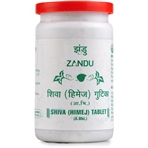 | Zandu Shiva (Himej) Tablet (100tab)
Code:PH361 | 50.00 INR
48.00 INR
| Helps in Constipation, Useful as Carminative & laxative, Improves Digestion | | |
|  | Zandu Sarpagandha Tablet (30tab)
Code:PH362 | 59.00 INR
58.00 INR
| Acts well in Controlling High Blood Pressure and Insomnia, Sleeplessness, Relieves Anxiety | | |
|  | Zandu Vigorex Gold Capsules (10caps)
Code:PH363 | 202.00 INR
200.00 INR
| Boosts Energy, Stamina, Vitality | | |
|
| |
 | Zandu Trishun Tablet (12tab)
Code:PH365 | 47.00 INR
48.00 INR
| Useful in Cold, Flu, Reduces Mild to High Temperature and Body ache | | |
|  | Zandu Tribangshila Tablet (30tab)
Code:PH366 | 63.00 INR
61.00 INR
| Beneficial in blood sugar and excessive urination | | |
| 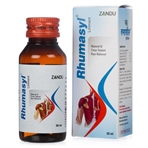 | Zandu Rhumasyl Liniment (50ml)
Code:PH368 | 77.00 INR
76.00 INR
| For Osteoarthritis, Sports Injury, Sprains, Back Pain, Cramps, Sciatica Etc. | | |
|
| |
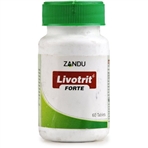 | Zandu Livotrit Forte Tablet (60tab)
Code:PH369 | 125.00 INR
124.00 INR
| Viral Hepatitis, Jaundice, Chronic Liver Dysfunctions, Pre-Cirrhotic Conditions | | |
| 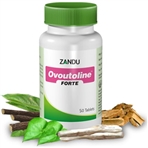 | Zandu Ovoutoline Forte (50tab)
Code:PH371 | 150.00 INR
148.00 INR
| Dysmenorrhea, Irregular Menstruation, Uterine Bleeding, Pre-Menopausal Symptoms | | |
| 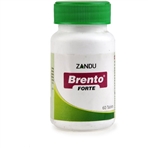 | Zandu Brento Forte Tablet (60tab)
Code:PH373 | 150.00 INR
148.00 INR
| For Mental Debility and Retardation, Senile Dementia, Age Related Memory Impairment | | |
|
| |
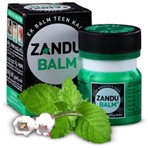 | Zandu Balm (8ml)
Code:PH374 | 32.00 INR
30.00 INR
| Headache, Heavy Head, Cold, Back Pain, Running Nose, Joint Pain and Stiffness | | |
| 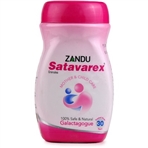 | Zandu Satavarex Lactation Granules (210g)
Code:PH375 | 225.00 INR
224.00 INR
| For Regular and Longer Lactation in Pregnancy, Nourishes the Mother as well as Fetus | | |
| 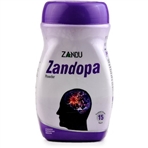 | Zandu Zandopa Powder (200g)
Code:PH376 | 210.00 INR
208.00 INR
| Helps in Pulmonary Disease, Bronchial Asthma, Renal, Hepatic and Peptic Ulcer | | |
|
| |
 | Zandu K4 Tablet (30tab)
Code:PH377 | 68.00 INR
65.00 INR
| Urinary tract infections, burning micturition, renal and urinary calculi, cystitis | | |
|  | Zandu Brento Syrup (200ml)
Code:PH378 | 130.00 INR
127.00 INR
| For Mental Debility and Retardation, Senile Dementia, Age Related Memory
Price 130
| | |
|  | Zandu Zanduzyme Forte Tablet (60tab)
Code:PH379 | 125.00 INR
124.00 INR
| Very Effective in Acute Indigestion, Gastritis, Acidity and Dyspepsia | | |
|
| |
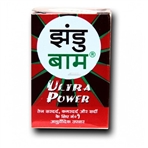 | Zandu Balm Ultra Power (8ml
Code:PH381 | 36.00 INR
35.00 INR
| Headache, Heavy Head, Cold, Back Pain, Running Nose, Joint Pain and Stiffness | | |
|  | Zandu Rheumayog Forte Tablet (50tab)
Code:PH382 | 160.00 INR
155.00 INR
| Muscular Pains and Stiffness in Joints, Knee Pain, Osteoarthritis | | |
| 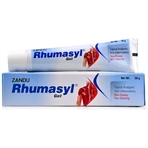 | Zandu Rhumasyl Gel (30g)
Code:PH385 | 68.00 INR
65.00 INR
| For Osteoarthritis, Sports Injury, Sprains, Back Pain, Cramps, Sciatica Etc. | | |
|
| |
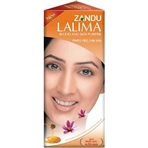 | Zandu Lalima (200ml)
Code:PH386 | 77.00 INR
75.00 INR
| Cleanses and Purifies Toxins from Blood, Imparts Acne Free Fairness Skin | | |
|  | Zandu Brento Tablet (30tab)
Code:PH387 | 54.00 INR
52.00 INR
| For Mental Debility and Retardation, Senile Dementia, Age Related Memory | | |
| 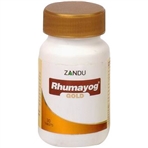 | Zandu Rheumayog Gold (30tab)
Code:PH388 | 398.00 INR
395.00 INR
| Muscular Pains and Stiffness in Joints, Knee Pain, Osteoarthritis | | |
|
| |
 | Zandu Nityam Churna (50g)
Code:PH389 | 34.00 INR
32.00 INR
| Deals with Constipation, Gas, Acidity, Indigestion and Flatulence | | |
|  | HAIRTONZ Tablet
Code:PH401 | 300.00 INR
295.00 INR
| Hairfall, Hairloss, Alopecia, Low / Slow hair growth, Dandruff | | |
|  | Fertie-F Tablet
Code:PH405 | 900.00 INR
899.00 INR
| Shatavari, Putranjiva, Shilajatu, Trivang | | |
|
| |
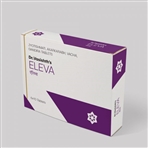 | ELEVA Tablet
Code:PH406 | 720.00 INR
718.00 INR
| Depression, Anxiety, Enuresis, Neurological disorders, Alzheimer's Disease | | |
| 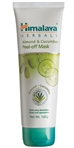 | Almond & Cucumber Peel-off Mask
Code:SC001 | 110.00 INR
| Unclogs pores. Peels away blemishes to leave a healthy, glowing skin ... | | |
| 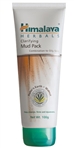 | Clarifying Mud Pack
Code:SC002 | 110.00 INR
| A unique formulation of natural ingredients that refreshes and rejuvenates... | | |
|
| |
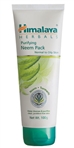 | Purifying Neem Pack
Code:SC003 | 115.00 INR
| Clears skin and prevents outbreak and recurrence of pimples... | | |
|